
Loading
A deep dive into engineering Webport — combining Next.js App Router, real-time Supabase analytics, an authenticated admin suite, adaptive multi-theming, and motion showcase.

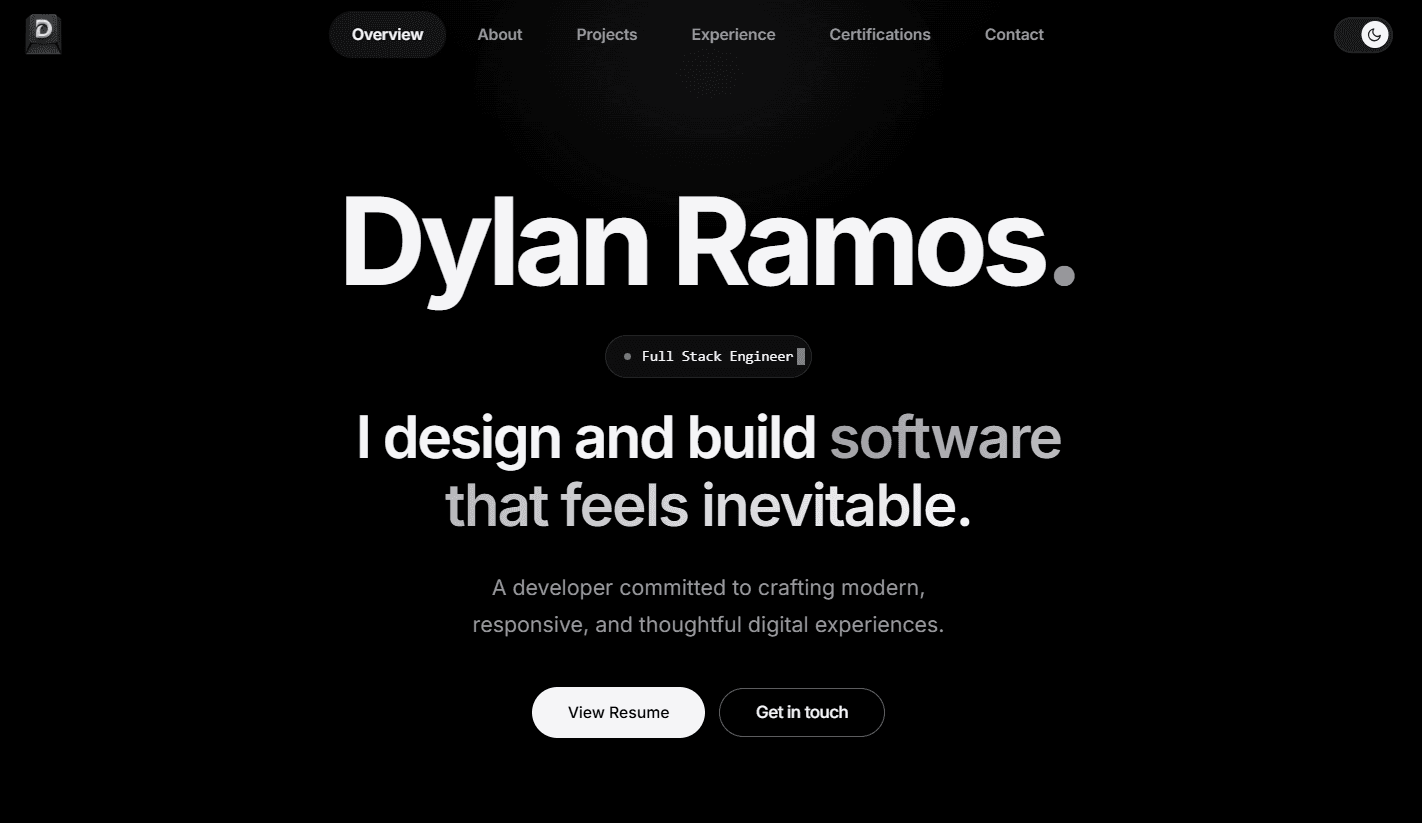
When most developers build a personal portfolio, they grab a static template, paste in a few project screenshots, and call it a day.
With Webport, I wanted something completely different. If I am applying for full-stack and front-end engineering roles, my personal portfolio should serve as direct proof of how I write production software. I wanted it to be a real, living application that demonstrates system architecture, database security, and thoughtful user experience.
From full-stack Supabase data persistence and privacy-friendly visitor analytics to an authenticated admin dashboard and macOS-style dock physics, Webport was built from scratch to show what modern web engineering looks like in practice.
Building high-performance applications with the Next.js App Router and Supabase requires clear boundaries between server and client.
Privileged operations—such as contact form submissions, database mutations, and authentication checks—run strictly on the server. Client components are kept lean, handling only dedicated interactive UI elements like the macOS-style dock, sound effects, and Framer Motion animations. This keeps the initial JavaScript bundle small and prevents unnecessary client re-renders.
Instead of trusting data from the browser, the application relies on strict PostgreSQL constraints, Row Level Security policies, and server-side validation. On the user interface, actions feel instantaneous through optimistic updates, while background mutations quietly reconcile with the database.
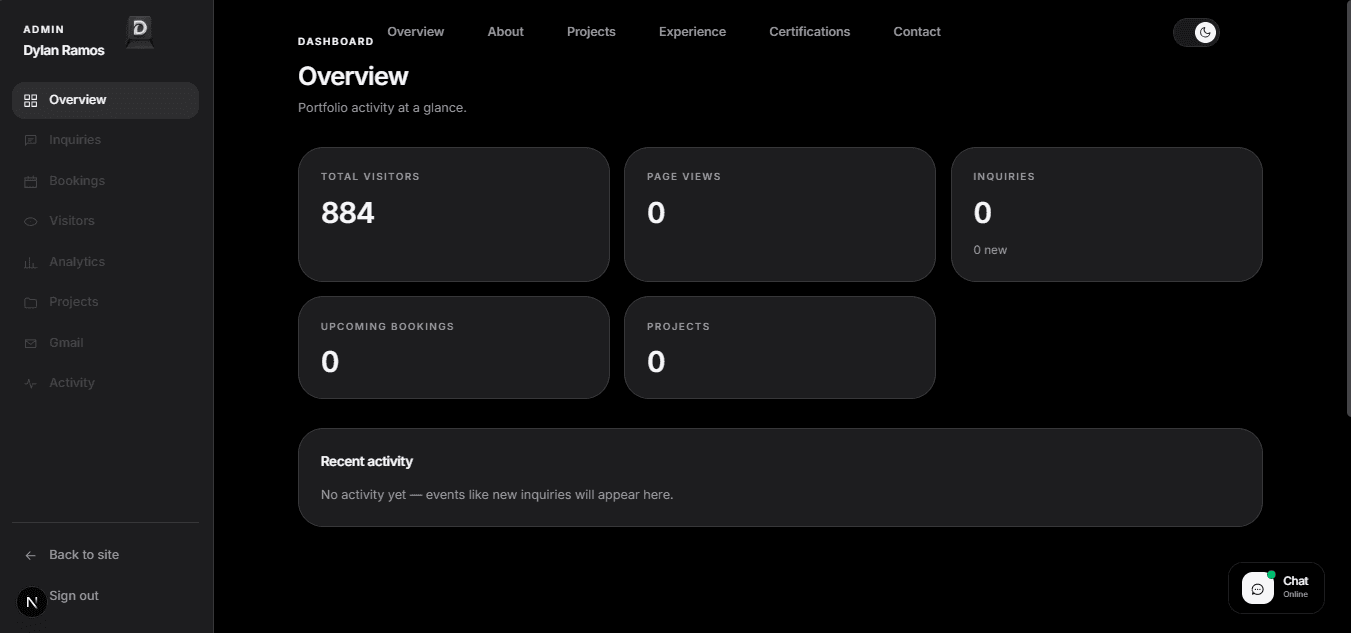
One of Webport's biggest differentiators is the private Admin Dashboard.
Rather than installing heavy third-party trackers like Google Analytics that slow down page loads and track user cookies, I built a custom, privacy-first analytics pipeline directly into the system.
It tracks unique visits, traffic trends, and route popularity without collecting any personally identifiable information. The admin suite also gives me an authenticated command center to review client inquiries, monitor system health, and manage projects or blog posts in real time.
Performance and visual design should complement each other, not fight.
Webport features an adaptive theme engine that smoothly switches between Modern Dark, Clean Light, and a retro Cyber Terminal mode without flashing or layout shift. Navigation is anchored by a bottom dock featuring smooth cosine magnification physics inspired by macOS, paired with inertial scrolling via Lenis.
Building Webport reinforced an important lesson: your portfolio is your best proof of work. Anyone can list Next.js or TypeScript on a resume, but showing those technologies working together in a secure, fast, and polished production app speaks for itself.
Check out the live application, interactive demo, or reference mentioned in this article.


